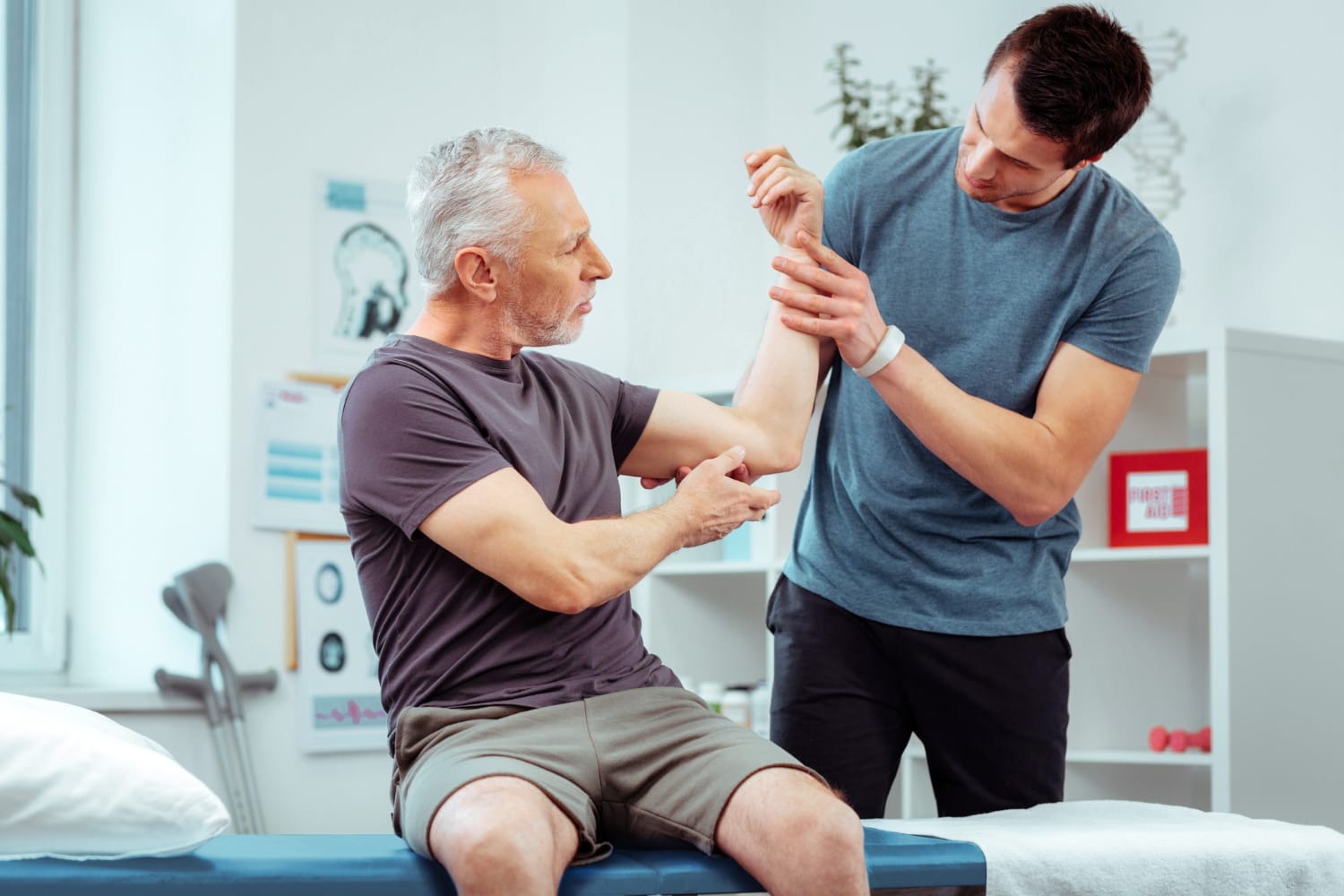
6 Causes of Pelvic Floor Dysfunction That May Require Pelvic Floor Rehabilitation
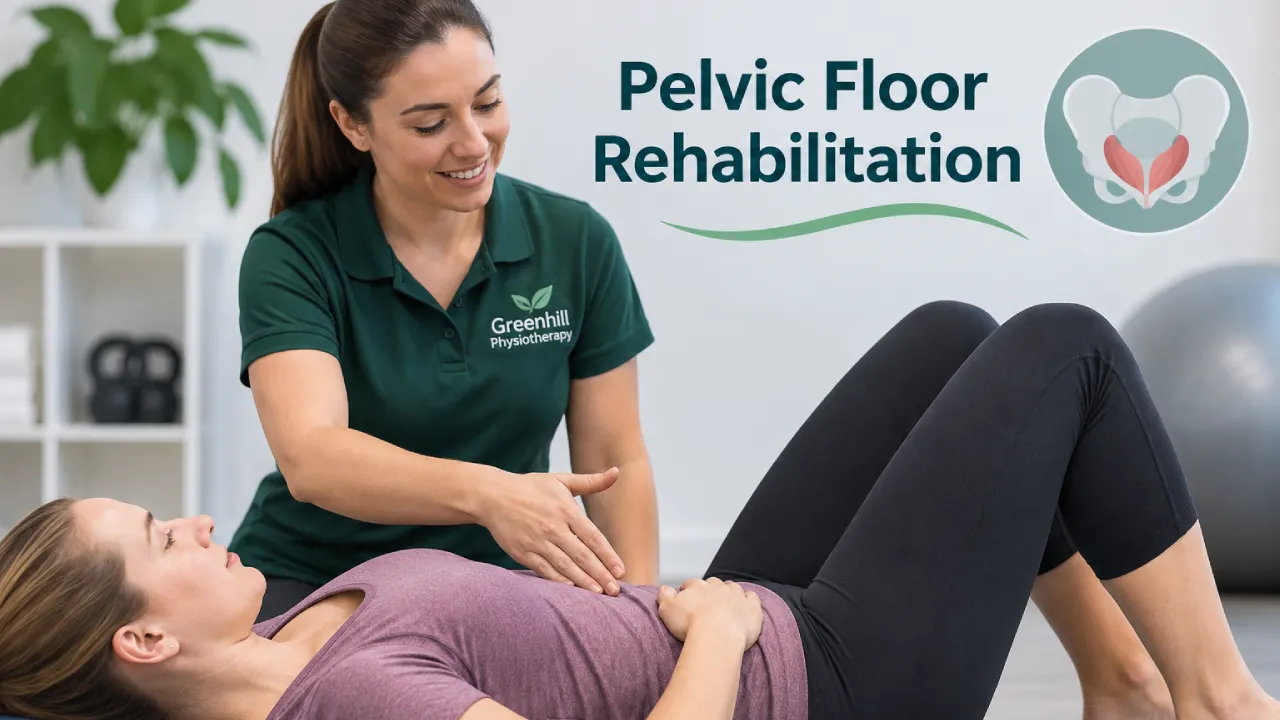
Pelvic floor health plays an important role in everyday activities, including walking, exercising, lifting objects, using the bathroom, and maintaining bladder and bowel control. However, many people do not realize how much these muscles contribute to their daily functioning until symptoms begin to appear.
Pelvic floor dysfunction can affect women and men of different ages. It occurs when the muscles, connective tissues, or nerves that support the pelvic organs do not function as they should. Some people experience weakened muscles, while others develop excessive muscle tension or difficulty coordinating pelvic floor movements.
Symptoms may include urinary leakage, constipation, pelvic discomfort, pain during intimacy, a feeling of pressure in the pelvic region, or difficulty emptying the bladder. These concerns can affect daily routines, physical activity, sleep, and confidence.
For people living in Hamilton, Greenhill Physiotherapy recognizes the importance of pelvic health and its connection to overall physical function. Pelvic Floor rehabilitation is a physiotherapy-based approach that can help address muscle weakness, tension, coordination difficulties, and other pelvic health concerns.
But what causes pelvic floor dysfunction, and when might physiotherapy be worth considering?
Let's explore six common causes, important facts about pelvic health, and answers to frequently asked questions.
Pregnancy and childbirth are among the most recognized contributors to pelvic floor dysfunction. During pregnancy, the pelvic floor muscles support the growing uterus, baby, bladder, and bowel. As the pregnancy progresses, the additional weight places increasing demands on these muscles and surrounding tissues.
Hormonal changes also affect connective tissue elasticity. This allows the body to accommodate pregnancy and childbirth, but it can influence the support provided by pelvic structures.
Vaginal delivery can place considerable strain on the pelvic floor. Muscle stretching, tissue injury, perineal tears, and nerve irritation may occur during childbirth. Some women may also experience pelvic organ prolapse or urinary leakage following delivery.
A caesarean birth does not completely eliminate pelvic floor concerns. Pregnancy itself can affect the muscles and connective tissues, regardless of the delivery method.
Signs to look out for:
Pelvic Floor rehabilitation may be considered after childbirth when symptoms persist or interfere with everyday activities. A physiotherapist can assess muscle strength, coordination, breathing patterns, and abdominal function before recommending suitable exercises.
Returning to physical activity gradually is important. The timing and type of exercise should reflect the individual's recovery, symptoms, and medical circumstances.
Aging can influence muscle strength, tissue elasticity, nerve function, and the body's ability to maintain muscular coordination. The pelvic floor is not exempt from these changes.
In women, declining oestrogen levels during perimenopause and menopause can affect the tissues surrounding the bladder, urethra, and vagina. These changes may contribute to urinary urgency, increased frequency, vaginal dryness, and discomfort.
Muscle mass may also decrease with age, particularly when physical activity levels decline. Weaker pelvic floor muscles may struggle to support the bladder and other pelvic organs during activities such as lifting, coughing, or walking.
Men can also develop pelvic floor problems as they age. Changes associated with prostate conditions, previous prostate surgery, reduced muscle strength, and other health concerns may contribute to urinary leakage or pelvic discomfort.
Signs to look out for:
Age-related pelvic floor changes should not automatically be considered an unavoidable part of growing older. An assessment can identify muscle weakness, excessive tension, or coordination problems that may respond to physiotherapy.
Bowel health has a direct connection with pelvic floor function. Chronic constipation can place repeated pressure on the muscles and tissues responsible for supporting the pelvic organs.
When a person regularly strains to pass stool, the pelvic floor experiences additional downward pressure. Over time, repeated straining may contribute to muscle fatigue, pelvic discomfort, and reduced support for surrounding structures.
However, constipation does not always result from weak pelvic floor muscles. Some individuals have difficulty relaxing these muscles during bowel movements. This condition is known as dyssynergic defecation.
In this situation, the pelvic floor muscles may contract rather than relax when a person attempts to empty their bowels. This lack of coordination can make passing stool difficult, even when the muscles have sufficient strength.
Common signs include:
Pelvic Floor rehabilitation can include coordination exercises, breathing strategies, relaxation training, and bowel mechanics education. In some cases, a physiotherapist may use biofeedback to help patients recognize and control pelvic floor muscle activity.
It is also important to investigate persistent constipation with a healthcare professional because dietary factors, gastrointestinal conditions, and other medical issues may contribute to the problem.
Certain surgical procedures can affect pelvic floor muscles, surrounding connective tissues, or the nerves responsible for pelvic function.
For women, procedures involving the uterus, bladder, or pelvic organs may sometimes change the support structures within the pelvis. Recovery can involve temporary muscle weakness, discomfort, scar sensitivity, or changes in bladder and bowel function.
For men, prostate surgery is a recognized cause of urinary incontinence. The procedure may affect structures involved in urinary control, resulting in leakage during activities such as standing, coughing, or exercising.
Other pelvic or abdominal surgeries may also influence muscle coordination, mobility, and abdominal pressure management.
Symptoms that may occur after surgery include
Post-surgical rehabilitation should follow the surgeon's instructions and account for tissue healing, procedure type, and individual recovery.
A physiotherapist may assess breathing mechanics, posture, pelvic floor coordination, and surrounding muscle function. Exercises can then be introduced when medically appropriate.
The aim is to support a safe return to daily movement while addressing functional difficulties that may remain after surgery.
Physical activity supports muscular health, but certain exercise patterns may place considerable demands on the pelvic floor.
Activities involving repeated jumping, running, heavy lifting, or sudden increases in training intensity can increase pressure within the abdomen. If the pelvic floor muscles cannot coordinate with this pressure, symptoms may develop.
Athletes and physically active individuals may experience urinary leakage during running, skipping, weightlifting, or other demanding movements.
This does not mean that exercise is harmful or should be avoided. Instead, it highlights the importance of muscular strength, endurance, coordination, breathing, and appropriate training progression.
People who regularly lift heavy objects at work may also experience pelvic floor strain, particularly when they hold their breath or repeatedly brace their abdominal muscles without coordinating pelvic floor activity.
Possible warning signs include
Pelvic Floor rehabilitation may help identify movement patterns that contribute to symptoms. A physiotherapist can assess how the pelvic floor responds to activities such as squatting, lifting, running, and abdominal exercises.
Exercise modifications, breathing strategies, and progressive strengthening may form part of a rehabilitation program.
Pelvic floor dysfunction is not always caused by weak muscles. In some cases, the muscles remain excessively tight or struggle to relax when required.
This is commonly referred to as a hypertonic pelvic floor. The muscles may remain contracted for prolonged periods, creating discomfort and difficulties with bladder, bowel, and sexual function.
Chronic pelvic pain, previous injuries, stress-related muscle guarding, and certain pelvic conditions may contribute to increased muscular tension.
People with an overactive pelvic floor may find that repeatedly performing strengthening exercises makes their symptoms worse. This is because the underlying issue may involve excessive tension rather than insufficient strength.
Common symptoms include:
Treatment may focus on relaxation, breathing coordination, gentle mobility, and learning to release unnecessary muscle tension. Manual physiotherapy techniques may also be considered following an assessment.
It is important to recognize that pelvic floor dysfunction can involve both underactive and overactive muscles. Identifying which pattern is present helps determine the appropriate rehabilitation approach.
Pelvic health is influenced by several interconnected systems. Knowing a few important facts can help people recognize symptoms and make informed decisions about seeking professional care.
Pelvic floor concerns are not limited to pregnancy or childbirth. Men can also develop urinary incontinence, constipation, pelvic pain, and muscle coordination problems.
Some people have weak pelvic floor muscles, while others have muscles that are too tight or cannot relax correctly. Both patterns can cause functional difficulties.
Kegel exercises involve contracting the pelvic floor muscles. Although they can be useful for certain forms of muscle weakness, they may aggravate symptoms in people with excessive pelvic floor tension.
An assessment should determine whether strengthening, relaxation, coordination training, or a combination is appropriate.
The diaphragm, abdominal muscles, and pelvic floor work together to manage pressure inside the abdomen.
Breath-holding during exercise or lifting can change how pressure is distributed. Learning to coordinate breathing with movement may support pelvic floor function.
Pelvic floor concerns vary from person to person. A rehabilitation program may include muscle strengthening, relaxation exercises, posture adjustments, movement training, manual techniques, or biofeedback.
Urinary leakage, pelvic heaviness, constipation, and discomfort are worth discussing with a healthcare professional. These symptoms should not automatically be dismissed as normal consequences of aging, childbirth, or physical activity.
A pelvic health assessment may include a discussion of symptoms, medical history, movement patterns, breathing, and muscle function. An internal examination may sometimes be suggested, but it requires informed consent and should only take place when clinically appropriate.
Recovery depends on the cause of dysfunction, symptom severity, general health, consistency with exercises, and other medical factors. Some people may notice changes within weeks, while others require a longer period of rehabilitation.
Living with pelvic floor symptoms can make everyday activities challenging. People may avoid exercise, limit social activities, or feel uncomfortable discussing bladder and bowel concerns.
Greenhill Physiotherapy in Hamilton encourages individuals experiencing pelvic health symptoms to seek an assessment rather than assuming these problems are an unavoidable part of life.
Pelvic Floor rehabilitation may involve several stages:
Initial assessment: A physiotherapist discusses symptoms, medical history, daily activities, and relevant health concerns.
Muscle function assessment: Where appropriate and with consent, the physiotherapist evaluates pelvic floor strength, relaxation, endurance, and coordination.
Exercise planning: A suitable program may include strengthening, relaxation, breathing exercises, and movement modifications.
Functional training: Exercises may focus on activities such as lifting, walking, coughing, and returning to sport.
Progress reviews: Symptoms and functional changes are monitored so that exercises can be adjusted as needed.
The type of care required depends on the person's assessment findings. Not every patient requires the same exercises or treatment methods.
For residents of Hamilton, seeking help from a physiotherapist familiar with pelvic health can be a practical step towards addressing concerns that affect daily function.
Early signs may include urine leakage when coughing or exercising, frequent urination, constipation, pelvic heaviness, difficulty emptying the bladder, or discomfort during intimacy. Symptoms differ between individuals and should be discussed with a healthcare professional.
Yes. Pelvic floor dysfunction can affect women and men who have never experienced pregnancy or childbirth. Ageing, surgery, chronic constipation, high-impact exercise, pelvic injuries, and excessive muscle tension are among the possible contributing factors.
The duration varies according to the underlying cause, symptom severity, muscle function, and response to treatment. Some individuals may notice improvements within several weeks, while others may require several months of guided exercises and follow-up assessments.
No. Kegel exercises may help people with certain types of pelvic floor weakness, but they are not suitable for every condition. Individuals with excessive muscle tension or difficulty relaxing the pelvic floor may require relaxation and coordination training instead.
Consider arranging an assessment if you experience persistent urinary leakage, pelvic heaviness, constipation, discomfort during physical activity, or difficulty controlling pelvic floor muscles. Seek prompt medical assessment for blood in the urine or stool, unexplained severe pelvic pain, or sudden inability to urinate.
Pelvic floor dysfunction can develop for several reasons, including pregnancy, aging, constipation, surgery, physical strain, and chronic muscle tension. Recognizing the underlying cause is an important part of deciding what type of care may be appropriate.
Pelvic Floor rehabilitation can form part of a physiotherapy program aimed at improving muscle coordination, addressing weakness or excessive tension, and supporting everyday activities.
If you are experiencing pelvic floor symptoms in Hamilton, contact Greenhill Physiotherapy to inquire about an assessment and discuss your concerns with the physiotherapy team.
Take the first step towards understanding your pelvic health and finding an appropriate way forward.
Phone: +1 365-366-3688
Address: 625 Greenhill Ave Unit 3, Hamilton, ON L8K 5W9, Canada
Pelvic floor health plays an important role in everyday activities, including walking, exercising, lifting objects, using the bathroom, and maintaining bladder and bowel control.
read more
Massage therapy is a hands-on service focused on easing muscle tension, improving circulation, and supporting comfortable movement. Many people seek massage therapy when stiffness, stress, or repetitive strain interferes with daily routines. This article explains how massage therapy works, who may benefit, and what to know before booking a session
read more