
9 Ways Custom Orthotics Braces Can Support Proper Foot Alignment
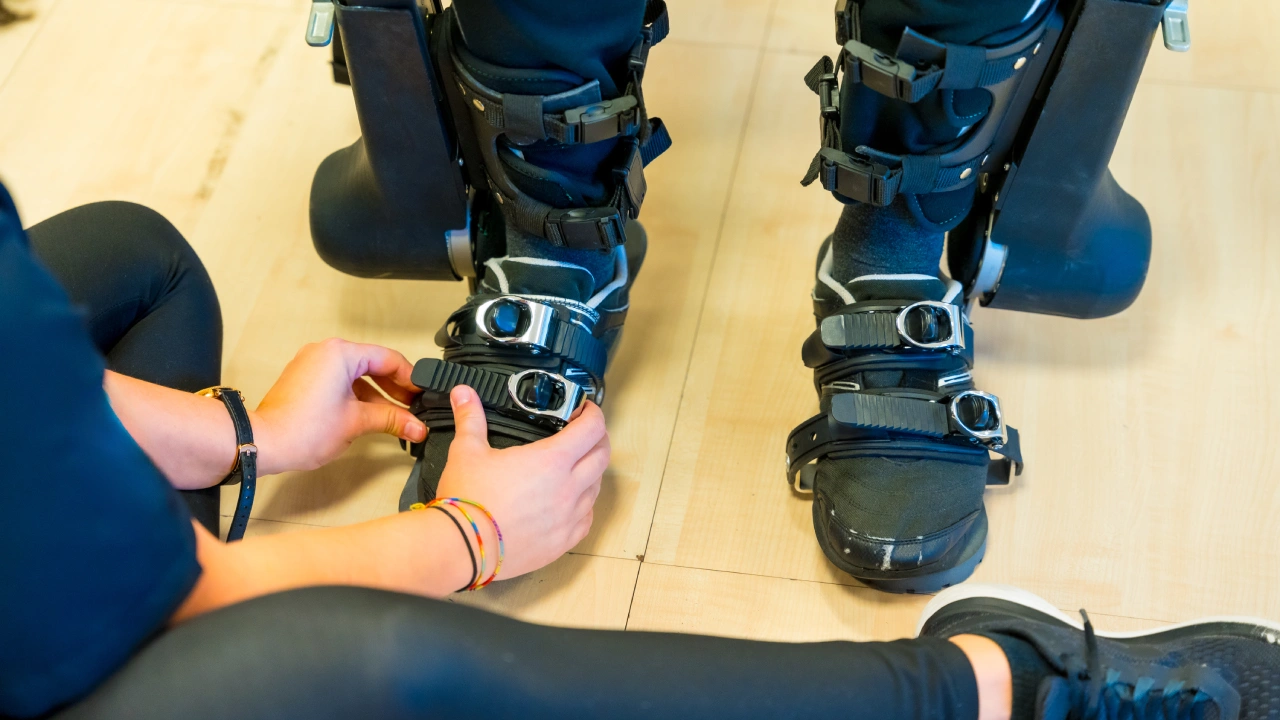
Your feet may be sending warning signs that you keep brushing aside. Recurring soreness, uneven shoe wear, tired arches, or discomfort around your ankles might not simply come from spending too much time on your feet. Custom Orthotics braces may help address certain foot positioning and pressure distribution concerns that influence how you stand, walk, and move.
Think about it: why does one foot hurt more than the other? Why do your shoes wear down unevenly? And why does discomfort sometimes travel from your feet to your knees?
These issues may have a connection to your foot mechanics. The way your feet contact the ground can influence how pressure moves through your ankles and lower limbs.
However, buying another pair of insoles without identifying the underlying concern may not address what's happening.
In this article, we examine nine ways orthotic devices can support foot alignment, explain when different forms of support may be appropriate, and discuss what happens during a professional assessment and fitting.
Your feet contain bones, joints, muscles, ligaments, and connective tissues that work together whenever you take a step. If their positioning or movement mechanics create uneven pressure, certain areas may experience additional loading.
Custom Orthotics braces refer to individually selected or fabricated support devices used to address particular foot, ankle, or joint concerns.
These devices serve different purposes depending on their construction and intended use.
Here are three common categories:
One important distinction deserves attention: foot orthotics and orthopedic braces are not interchangeable.
An individual experiencing arch discomfort may require a different approach from someone dealing with recurring ankle instability or a knee injury.
During a Custom Orthotics assessment, we examine the person's symptoms, foot structure, walking mechanics, activity levels, and footwear before discussing suitable options.
The objective is to identify what type of support, if any, matches the person's physical requirements.
Your feet are the foundation of your standing and walking movements. Every step involves a sequence of movements that allows your body to absorb forces and move forward.
But what happens when your feet distribute pressure unevenly?
Certain areas may experience increased loading, while changes in foot movement can influence how your ankles and knees move during everyday activities.
Consider these situations:
These symptoms do not automatically indicate an alignment problem. Footwear, activity levels, previous injuries, muscle strength, joint conditions, and other factors may contribute.
Another overlooked issue is excessive foot movement.
Overpronation occurs when the foot rolls inward more than is appropriate for an individual's movement requirements. Supination describes movement toward the outer edge of the foot.
Neither movement is automatically abnormal. The concern depends on the degree of movement, symptoms, activity demands, and other assessment findings.
So, how might orthotic support address some of these concerns?
Foot positioning is not just about the shape of your arches. It also involves how your feet respond to pressure, movement, and different surfaces.
Here are nine ways appropriately selected orthotic devices may contribute to foot and lower-limb support.
Have you ever noticed that the ball of one foot feels sore after a long walk? Or perhaps your heels feel uncomfortable after standing for several hours?
Uneven pressure distribution may contribute to these sensations.
Foot orthotics can provide support beneath selected areas of the foot, potentially changing how pressure is distributed during standing and walking.
Depending on their construction, they may:
For example, someone who experiences discomfort beneath the forefoot may benefit from an orthotic arrangement that addresses pressure in that region.
However, the source of discomfort must be assessed before selecting a device. Not every case of foot soreness involves uneven pressure.
Your feet constantly adjust their position as you walk, stand, and change direction.
The arches also play an important role in absorbing and transferring forces during movement.
When foot positioning contributes to discomfort or altered movement patterns, appropriately selected Custom Orthotics braces may provide additional support.
For instance, someone with flexible flat feet may require support that accommodates their foot structure during weight-bearing activities.
This does not mean that every person with flat feet requires orthotics. Many people have naturally low arches without experiencing symptoms.
We consider factors such as:
The aim is to determine whether external support has a role in addressing the person's concerns.
Does your foot appear to roll inward when you walk? Or do you notice that more pressure falls along the outer edge?
These movement patterns may influence how your feet interact with the ground.
Overpronation involves excessive inward rolling, while supination involves movement towards the outside of the foot.
In selected cases, foot orthotics may help influence these movement patterns by providing support beneath the foot.
For example, a runner experiencing recurring discomfort alongside excessive foot movement may benefit from an assessment of footwear, strength, running technique, and foot mechanics.
Orthotics are not intended to eliminate every natural movement. The goal is to identify whether a particular movement pattern contributes to symptoms and whether external support is appropriate.
Ankle instability can make ordinary activities frustrating.
Walking on uneven ground, stepping off a curb, or changing direction during sports may cause discomfort or a feeling that the ankle could give way.
Foot positioning and ankle movement are connected. Changes in how the foot contacts the ground can influence the forces passing through the ankle.
Depending on the cause of instability, different support devices may be considered.
For example:
A Custom Orthotics assessment can help determine whether foot support is relevant or whether an ankle-focused rehabilitation plan is more appropriate.
Recurring ankle instability should also be assessed for possible ligament or joint concerns.
Walking may appear simple, but every step involves coordinated movement throughout the lower limbs.
Your feet, ankles, knees, and hips work together to move your body forward.
When foot mechanics contribute to an altered walking pattern, certain areas may experience different loading demands.
Appropriate orthotic support may influence how the foot contacts the ground and distributes pressure during movement.
Consider someone who walks several kilometres each day for work. If particular areas of the foot experience repeated pressure, the resulting discomfort may interfere with their daily routine.
An assessment can examine:
Orthotics may form one part of the approach when assessment findings indicate a potential role. Strengthening, mobility work, and changes to activity levels may also be relevant.
Here's something many people overlook: discomfort around the knee does not always originate at the knee itself.
Foot positioning can influence lower-limb movement, including how the ankle and knee coordinate during walking, running, and other activities.
For example, certain foot movement patterns may contribute to changes in lower-limb mechanics. However, knee discomfort has numerous possible causes, and foot alignment is only one factor.
Foot orthotics may be considered when assessment findings indicate that foot mechanics contribute to the person's movement concerns.
In other situations, a custom knee braces clinic may be relevant when external knee support is indicated.
Knee braces and foot orthotics serve different functions:
Choosing between these options requires an assessment of the actual concern rather than assuming that one device can address every problem.
Eight hours on your feet can feel like an exhausting routine, particularly when your work involves walking, standing, or remaining in one position.
Retail workers, healthcare staff, warehouse employees, and hospitality workers may experience recurring foot fatigue throughout their shifts.
Several factors can contribute, including:
Custom foot orthotics may provide additional support beneath the feet when assessment findings indicate a need.
For example, someone who experiences arch fatigue during long work shifts may benefit from an assessment of footwear, foot positioning, and standing mechanics.
It is also worth considering regular movement breaks, appropriate footwear, and exercises that address muscular endurance.
Orthotic devices cannot eliminate every source of discomfort associated with prolonged standing, but they may form part of an appropriate management plan.
Running, jumping, cutting, and changing direction place different demands on your feet and ankles.
An athlete may notice discomfort during a training session that disappears during ordinary walking. Another person may feel ankle instability when playing basketball or participating in recreational soccer.
These differences matter because sporting activities involve movement patterns that everyday standing does not reproduce.
Depending on assessment findings, Custom Orthotics braces may provide support during selected physical activities.
Possible considerations include:
Ankle braces may also be considered when additional external support is appropriate, particularly for individuals with recurring ankle instability.
However, orthotics and braces do not replace conditioning, strengthening, balance training, or appropriate rehabilitation.
Why do two people with apparently similar foot shapes sometimes require different orthotic devices?
Foot structure is just one aspect of the overall picture.
One person may have flexible flat feet, while another may have rigid arches. Their symptoms, activity levels, footwear, and movement patterns may also differ.
Custom foot orthotics are made using individual measurements and assessment information.
Depending on the fabrication process, the procedure may involve:
This information helps determine the shape, materials, and support characteristics of the device.
During a Custom Orthotics fitting, we also consider whether the device sits properly inside the footwear and whether it creates unwanted pressure.
An adjustment may be necessary if the device causes persistent discomfort or does not fit correctly.
The aim is to match the device to the person's physical requirements rather than expecting everyone to use the same orthotic arrangement.
Not every episode of foot discomfort requires an orthotic device. However, recurring symptoms may indicate that your foot mechanics, footwear, or movement patterns deserve attention.
Consider arranging an assessment if you notice:
These signs do not confirm that you need orthotics.
A physiotherapy assessment can help identify possible contributing factors and determine whether orthotic support, exercise, footwear changes, or another approach is appropriate.
Buying a pair of insoles is relatively straightforward. Identifying whether they address your actual concern requires more investigation.
During a Custom Orthotics assessment, we begin by discussing your symptoms and daily activities.
Here is what the process may involve.
We ask when discomfort occurs, how long it has been present, and whether particular activities worsen it.
We examine the arches, foot positioning, joint movement, and other relevant structural features.
We observe how your feet and lower limbs are positioned while you stand.
We examine your walking pattern and assess relevant movements that may contribute to your symptoms.
We inspect your everyday shoes, available space, sole condition, and compatibility with orthotic devices.
Based on the findings, we discuss whether foot orthotics, ankle braces, knee support, exercise, or another approach may be appropriate.
If custom devices are indicated, we assess their fit inside your footwear and check for pressure points or discomfort.
We monitor comfort and function after you begin using the device. Adjustments may be necessary depending on your response.
A gradual introduction is often advisable, particularly when wearing orthotics for the first time. Persistent discomfort should not be ignored.
A product labelled as an arch support or orthotic does not automatically address your individual requirements.
Several purchasing mistakes may lead to unnecessary spending or continued discomfort.
Standard insoles may provide cushioning, but they may not address the movement or pressure concerns contributing to your symptoms.
Foot structures vary. An orthotic that feels comfortable for one person may create pressure for another.
Cost alone does not indicate whether a device matches your physical requirements.
An orthotic may not fit properly inside narrow shoes or footwear with limited internal space.
Your feet may require time to adjust. Follow the recommended wearing schedule and monitor your response.
Persistent pressure, discomfort, or visible damage should prompt a reassessment.
External support and physical rehabilitation serve different purposes. Strength, balance, mobility, and coordination remain important parts of many foot and ankle programmes.
Before purchasing a device, consider whether its intended function matches the concern identified during your assessment.
Daily routines can place repeated demands on your feet.
Whether you commute, work long shifts, walk through commercial areas, participate in sports, or spend several hours standing, your footwear and movement patterns influence how your feet respond to these activities.
Residents of Hamilton may have different physical demands depending on their occupations, recreational activities, and daily travel routines.
Someone who spends most of the day walking may have different support requirements from someone who stands at a workstation or participates in regular athletic training.
A physiotherapy-based assessment can examine these factors alongside foot structure, ankle movement, and lower-limb mechanics.
For people considering Custom Orthotics services, the process should begin with identifying the reason for seeking support rather than selecting a product based on appearance or general recommendations.
A Custom Orthotics Braces clinic can assess whether an orthotic device or orthopedic brace is relevant to the person's requirements.
1. How do custom orthotics braces help with foot alignment?
They may provide support beneath the feet, influence pressure distribution, and address selected foot positioning concerns during standing and walking. Their suitability depends on individual assessment findings.
2. What is the difference between custom orthotics and regular insoles?
Regular insoles generally provide cushioning or basic support. Custom orthotics are made using individual foot measurements and assessment information to address particular structural or movement requirements.
3. How long does it take to adjust to custom foot orthotics?
Adjustment periods vary. Some people become comfortable within a short period, while others require a gradual introduction over several weeks. Follow the wearing schedule recommended during fitting.
4. Can custom orthotics help with knee and ankle discomfort?
They may help address selected movement or loading factors associated with foot mechanics. However, knee and ankle discomfort can have several causes, so an assessment is necessary before deciding whether orthotics are appropriate.
5. Do I need a referral for a custom orthotics assessment in Hamilton, ON?
Referral requirements depend on the provider, service, and insurance plan. Contact the clinic directly to confirm its booking requirements and any documentation needed for your appointment.
6. How often should custom orthotics be replaced?
There is no universal replacement schedule. Their condition, material wear, changes in foot structure, activity levels, and ongoing comfort all matter. Have them checked if they become damaged or no longer fit properly.
Your feet do more than carry your body from one place to another. Their positioning, movement, and pressure distribution influence how you stand, walk, exercise, and perform everyday activities.
Recurring arch discomfort, uneven shoe wear, ankle instability, and changes in walking patterns deserve attention, particularly when they begin interfering with daily routines.
However, orthotics are not necessary for everyone. Identifying the source of your symptoms is an important part of deciding whether external support has a role in your care.
At Greenhill Physiotherapy, we can assess your foot mechanics, discuss your movement concerns, and help determine whether orthotic support or another physiotherapy approach may be appropriate.
If recurring foot discomfort or alignment concerns are affecting your daily activities, contact our clinic to arrange an assessment.
Call: +1 365-366-3688
Visit: 625 Greenhill Ave Unit 3, Hamilton, ON L8K 5W9, Canada
Take the first step towards addressing the foot and movement concerns that may be affecting your everyday routine.
Discover ways custom orthotics braces may support foot alignment, improve pressure distribution.
read more
Pelvic floor health plays an important role in everyday activities, including walking, exercising, lifting objects, using the bathroom, and maintaining bladder and bowel control
read more
Persistent pain can affect almost every part of daily life. A simple activity such as walking, climbing stairs, reaching for a cupboard, exercising, or sitting at a desk may become uncomfortable when muscles, tendons, or other soft tissues are not functioning properly.
read more