
7 Lymphatic Drainage Techniques That May Help Reduce Swelling: What You Should Know
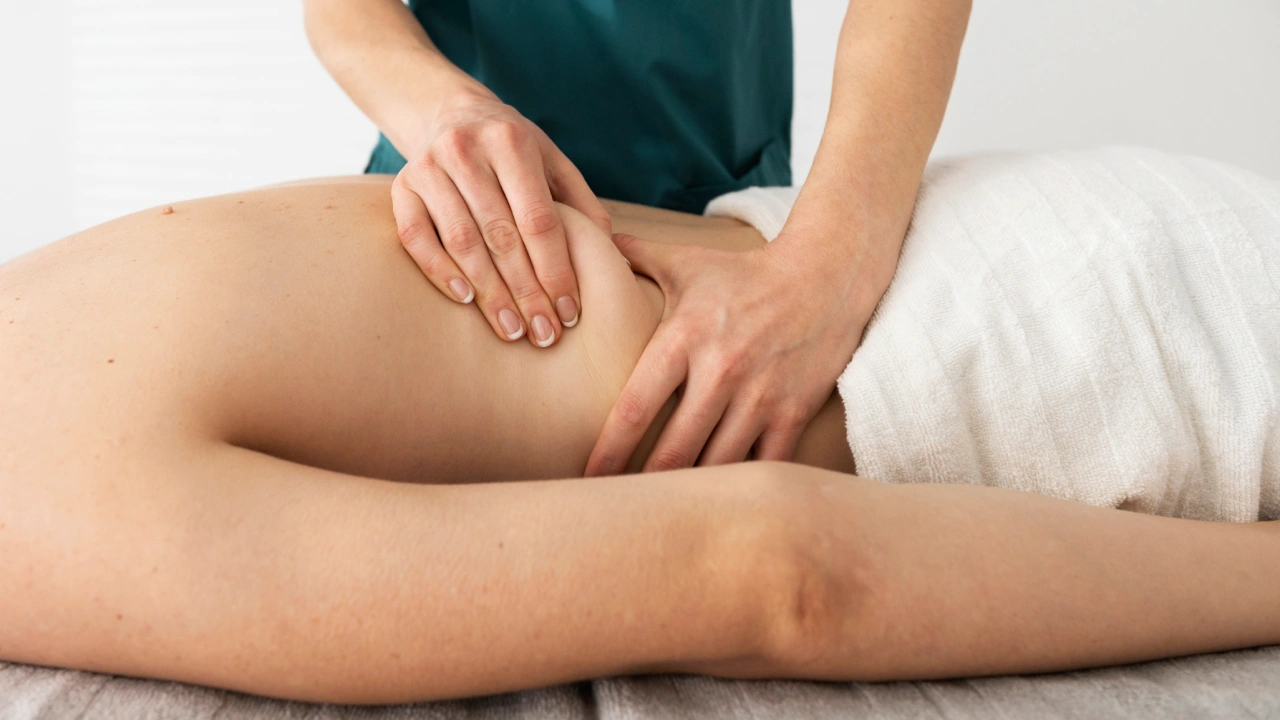
Swelling that refuses to disappear could be telling you more than you think. A swollen ankle, a heavy arm, or tightness around your legs may involve more than everyday fluid retention. In some cases, the lymphatic system may not be moving fluid through your body as it should. This is where Lymphatic Drainage becomes relevant.
Your lymphatic system operates silently, gathering excess fluid from body tissues and supporting your immune system's function. However, surgery, injury, certain medical conditions, or damage to lymph vessels can interfere with this process. When fluid builds up, swelling may persist and begin affecting your daily activities.
So, what can you do about it? Are there techniques that may help your body move accumulated fluid? When is it advisable to discontinue home remedies and seek a professional assessment?
We will examine seven techniques, six signs of possible lymphatic dysfunction, and five mistakes that could make swelling harder to manage.
Your body has a drainage network that most people overlook. It is called the lymphatic system, and it plays an important role in maintaining fluid balance and supporting immune function.
But what happens when this network cannot keep up?
The lymphatic system consists of lymph vessels, lymph nodes, and other tissues that collect and transport a fluid called lymph. This fluid contains water, proteins, waste products, and immune cells.
Here is how the process works:
Unlike the heart, the lymphatic system does not have one central pump. Instead, muscle contractions, breathing movements, and changes in body position help move lymph through its vessels.
When lymph vessels become damaged, blocked, or unable to transport fluid adequately, liquid can accumulate in the surrounding tissue. This condition is known as lymphedema.
You may notice:
Ordinary swelling can also develop because of injury, inflammation, circulation problems, or other medical conditions. Therefore, visible swelling alone cannot confirm a lymphatic problem.
The distinction matters because treating the wrong cause may delay appropriate care.
Can gentle movements really influence how fluid travels through your body? In certain circumstances, yes. Several techniques are used as part of lymphoedema management, although their suitability depends on your health, symptoms, and the source of swelling.
Let's examine seven approaches.
Manual lymphatic drainage is a gentle massage technique performed by a therapist with appropriate training.
Unlike conventional massage, which may involve deeper pressure on muscles, MLD uses slow, rhythmic skin movements. The therapist works along specific lymphatic pathways to encourage fluid movement toward functioning drainage areas.
How it works:
Potential benefits: MLD may help manage swelling associated with lymphoedema, particularly when included in a wider treatment program.
Precautions: It is not suitable for everyone. Active infection, suspected blood clots, and certain heart conditions require medical assessment before treatment.
Could you perform certain drainage movements at home? In some cases, yes, but there is an important distinction between self-massage and ordinary rubbing.
Simple lymphatic drainage is a technique that a trained therapist may teach you to perform independently.
The movements are gentle and follow a specific sequence. Depending on your condition, you may be instructed to work around the affected area to encourage fluid movement towards functioning lymphatic pathways.
What you should know:
Self-massage should not be started simply because an arm or leg looks swollen. First, establish the cause and learn which movements are appropriate.
Here is something you might overlook: your breathing movements also influence lymph circulation.
The diaphragm is a large muscle located beneath your lungs. When you breathe deeply, it moves downwards during inhalation and upwards during exhalation. These changes in pressure within your chest and abdomen can support the movement of lymph.
How to practice:
This exercise may form part of a lymphoedema management routine. It should feel comfortable, not exhausting or painful.
Sitting for hours with little movement? Your muscles play an important role in moving lymph fluid, so prolonged inactivity may not help when managing swelling.
When muscles contract and relax, they create pressure changes around lymphatic vessels. This can encourage fluid movement.
Depending on the affected area, exercises may include:
The aim is to introduce regular, controlled movement rather than push through discomfort.
If exercise increases swelling, causes pain, or changes your symptoms, stop and speak with your healthcare provider.
What if the issue is not simply moving fluid but preventing it from collecting again?
Compression therapy uses garments, wraps, or bandages to apply controlled pressure to an affected area. This pressure works alongside muscle contractions to support fluid movement and limit further accumulation.
Depending on the affected body part, compression may involve:
Compression is often included in decongestive lymphatic therapy, particularly for people with diagnosed lymphoedema.
However, wearing an incorrectly sized garment or using unsuitable compression can create problems. People with certain arterial circulation conditions may not be suitable candidates.
A healthcare professional should assess your circulation, limb measurements, skin condition, and medical history before recommending a garment.
A small change in how you sit or rest may make a difference to how comfortable a swollen limb feels.
Elevation involves positioning an affected arm or leg above or towards the level of your heart, when appropriate. Gravity can influence fluid movement, and comfortable positioning may help manage some forms of swelling.
Consider these examples:
Elevation is not a substitute for assessment or treatment. It may also be insufficient for established lymphoedema, where a structured management program may be required.
Swelling can place additional stress on your skin. When the skin becomes dry, cracked, or damaged, bacteria may enter and cause an infection.
This is an often-overlooked part of managing lymphatic dysfunction.
Your daily routine may include:
Skin care does not directly remove accumulated lymph fluid. However, it plays an important role in reducing the risk of skin complications associated with lymphoedema.
Not every swollen body part indicates a lymphatic problem. However, certain patterns deserve closer attention, particularly when swelling continues or gradually changes.
Look out for these six signs:
Does one limb appear larger than the other? Swelling that continues rather than settling may warrant an assessment. Lymphoedema commonly affects an arm or leg, although other areas can also be involved.
Some people describe an affected limb as unusually heavy, full, or difficult to move. Clothing, shoes, or jewellery may also begin feeling tighter.
Swelling following minor activity or an injury may settle over time. If it continues, returns repeatedly, or gradually increases, the underlying cause should be investigated.
The skin around an affected area may become thicker, tighter, dry, or less flexible. These changes can occur as lymphoedema progresses.
Swelling around your wrist, ankle, knee, or elbow may restrict comfortable movement. You might notice difficulty bending a joint or completing everyday tasks.
Surgery, lymph node removal, radiation treatment, and certain injuries can affect lymphatic pathways. New or recurring swelling following these events deserves medical attention.
Important health warning
Sudden swelling in one leg or arm, particularly with pain, warmth, or redness, needs urgent medical assessment because a blood clot or another acute condition may be responsible. If swelling occurs alongside chest pain, sudden breathlessness, or coughing up blood, seek emergency medical care. A hot, red, swollen area accompanied by fever may indicate infection and also requires prompt assessment.
Do not attempt massage or compression before an urgent cause has been ruled out.
Trying to manage swelling without knowing its cause can lead to unnecessary discomfort. Some habits may seem harmless, but they can interfere with an appropriate management plan.
Here are five mistakes worth avoiding.
A swollen ankle after a long day may not immediately raise concern. However, swelling that repeatedly returns, affects one limb, or continues to increase deserves medical attention.
What to do instead: Record when the swelling appears, how long it lasts, and whether anything makes it worse. Share these details during your assessment.
More pressure does not mean more lymphatic movement. In fact, deep rubbing and forceful massage are not substitutes for MLD.
What to do instead: Use only the movements demonstrated by a trained therapist. Avoid massaging unexplained or painful swelling.
Swelling can result from several conditions, including injuries, venous circulation problems, inflammation, infection, and lymphatic dysfunction.
Treating all these conditions in the same way can delay appropriate care.
What to do instead: Have persistent or unexplained swelling assessed before starting a massage or compression routine.
Buying compression socks online may seem like an easy solution. However, garment size, pressure level, circulation, and the location of swelling all matter.
What to do instead: Ask a healthcare provider whether compression is suitable and which garment or wrap is appropriate for your condition.
Completely avoiding movement is not always helpful, but pushing through pain or increased swelling can also create problems.
What to do instead: Adjust activity levels, introduce comfortable movement, and seek advice if symptoms continue to worsen.
Could physiotherapy play a role when swelling starts interfering with walking, exercise, work, or everyday activities?
Yes. Physiotherapy may form part of a management program for people with lymphoedema or certain other conditions associated with fluid accumulation.
The first step is identifying what is happening rather than immediately beginning massage or exercises.
We begin by looking at the affected area, your symptoms, medical history, and movement limitations.
An assessment may include:
When symptoms suggest a condition outside the scope of physiotherapy, referral for medical assessment may be necessary.
Following assessment, a trained practitioner may use MLD as part of your management program.
The aim is to encourage lymph movement through functioning pathways using gentle, rhythmic skin movements.
Lymphatic Drainage is not simply a relaxation massage. Its application involves knowledge of lymphatic pathways, the affected tissues, and the person's medical history.
Compression garments or bandaging may help control fluid accumulation.
We consider factors such as limb measurements, circulation, skin condition, and tolerance before recommending compression as part of physiotherapy management.
Movement plays an important role because muscle contractions assist lymph transportation.
Your exercise routine may include:
The intensity and frequency depend on your symptoms and physical capacity.
Managing swelling also involves what happens outside the treatment room.
We can discuss skin protection, daily movement, positioning, compression use when prescribed, and warning signs that require medical attention.
Swelling management is not always a one-visit process. Reassessment helps track changes in limb measurements, tissue condition, movement, and daily function.
The treatment approach may need adjustment as your symptoms and needs change.
According to NHS information, decongestive lymphatic therapy combines compression, skin care, exercise, and manual techniques rather than relying on massage alone.
If you live in Hamilton, Ontario, you may have several reasons for noticing persistent swelling.
Perhaps you spend most of your working day sitting at a desk. Maybe your job involves prolonged standing, repetitive movements, or physical activity. You may also be recovering from surgery or managing swelling following an injury.
But here is the question worth asking: Do you know why the swelling is happening?
Before starting treatment, consider the following:
Identify the underlying cause. Swelling associated with lymphoedema requires a different management approach from swelling caused by an acute injury, infection, or blood clot.
Review your medical history. Previous surgery, lymph node removal, cancer treatment, circulation problems, and heart conditions may influence which treatments are suitable.
Ask about practitioner training. If MLD is being considered, ask whether the practitioner has training in lymphatic techniques and experience managing the condition involved.
Discuss compression before purchasing garments. Compression is not suitable for every person or every type of swelling.
Set realistic expectations. The number of sessions and changes you may notice depend on the cause, severity, and duration of swelling.
If you are searching for Lymphatic Drainage in Hamilton, make sure the treatment begins with an assessment rather than an assumption about what is causing your symptoms.
1. What is Lymphatic Drainage used for?
Lymphatic Drainage is used to help manage swelling associated with lymph fluid accumulation. It may form part of treatment for lymphoedema, particularly following certain surgeries or cancer treatments. It is not intended to treat every cause of swelling.
2. How does manual lymphatic drainage work?
Manual Lymphatic Drainage uses gentle, rhythmic skin movements to encourage fluid movement towards functioning lymphatic pathways. It is different from conventional deep-tissue massage and should be performed by someone with appropriate training.
3. How often should Lymphatic Drainage be performed?
There is no universal treatment schedule. Frequency depends on the amount of swelling, the affected body area, medical history, and response to treatment. Your physiotherapist can determine an appropriate schedule following assessment.
4. Can Lymphatic Drainage help reduce swelling after surgery?
It may help manage certain types of postoperative swelling, particularly when lymphatic pathways have been affected. However, not all postoperative swelling is lymphatic in origin. Follow your surgeon's instructions before beginning massage or compression.
5. Is Lymphatic Drainage suitable for everyone?
No. People with suspected blood clots, active infections, certain heart conditions, or other medical complications may need to avoid these techniques. A healthcare provider should assess your medical history before treatment.
6. When should I seek professional help for persistent swelling?
Seek medical assessment if swelling continues, increases, affects movement, or repeatedly returns. Sudden swelling, redness, warmth, and pain require urgent assessment. Chest pain or sudden breathing difficulties require emergency care.
Swelling is not always just a temporary inconvenience. When it continues, returns frequently, or starts affecting your movement, finding its underlying cause becomes important.
Lymphatic Drainage may form part of a physiotherapy management program when lymphatic dysfunction is involved. Depending on your condition, treatment may include manual techniques, compression, therapeutic exercises, skin care, and education about daily management.
At Greenhill Physiotherapy & Rehab, we provide physiotherapy services in Hamilton, Ontario. If persistent swelling is affecting your daily activities, speak with our team about arranging an assessment and discussing suitable next steps.
Address: 625 Greenhill Ave Unit 3, Hamilton, ON L8K 5W9, Canada
Phone: +1 365-366-3688
Your body has a drainage network that most people overlook. It is called the lymphatic system, and it plays an important role in maintaining fluid balance and supporting immune function.
read more
Discover ways custom orthotics braces may support foot alignment, improve pressure distribution.
read more
Pelvic floor health plays an important role in everyday activities, including walking, exercising, lifting objects, using the bathroom, and maintaining bladder and bowel control
read more