
6 Causes of Pelvic Floor Dysfunction That May Require Pelvic Floor Rehabilitation
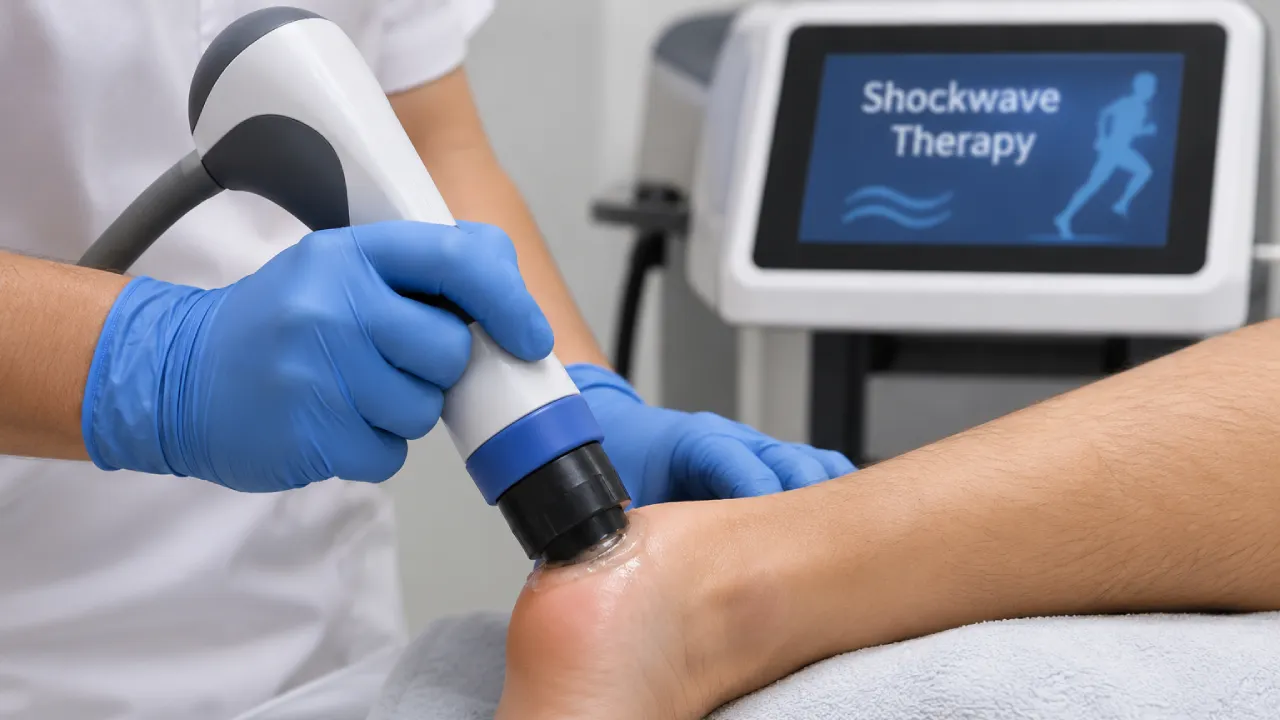
Persistent pain can affect almost every part of daily life. A simple activity such as walking, climbing stairs, reaching for a cupboard, exercising, or sitting at a desk may become uncomfortable when muscles, tendons, or other soft tissues are not functioning properly. While occasional soreness may settle with rest and routine care, discomfort that continues for weeks or months deserves attention.
For people dealing with ongoing muscle and tendon problems, Shockwave Therapy may be one treatment option worth discussing with a physiotherapist. This non-invasive procedure uses acoustic waves directed towards a specific area of the body. It is commonly considered for certain chronic musculoskeletal conditions, particularly when symptoms have not settled with initial treatment.
At Greenhill Physiotherapy in Hamilton, patients can access physiotherapy and various rehabilitation services, including shockwave treatment. A proper assessment helps determine whether this approach is suitable for the affected area, the nature of the condition, and the patient's activity requirements.
Recognizing the signs of persistent soft-tissue problems can help you decide when to seek professional assessment. Below are eight signs that may indicate it is time to discuss additional treatment options with a qualified physiotherapist.
Muscle soreness after physical activity is common. It may occur following exercise, lifting heavy objects, gardening, household chores, or an unfamiliar movement. In many cases, mild soreness gradually settles with appropriate rest and a gradual return to activity.
However, discomfort that continues for several weeks may indicate an underlying issue that needs assessment.
Persistent muscle pain can develop due to several factors, including:
When discomfort remains in the same location, it may become difficult to complete ordinary tasks. You might notice discomfort while lifting groceries, carrying children, reaching overhead, or getting out of bed.
Shockwave Therapy may be considered for certain persistent soft-tissue conditions after a physiotherapist identifies the affected structures. It is important to remember that not every type of muscle pain requires this procedure.
A physiotherapist can assess your symptoms, review your activity history, and determine whether acoustic wave treatment could form part of your rehabilitation program.
Heel pain can make everyday movement difficult, particularly when you spend several hours standing or walking.
One common source of ongoing heel discomfort is plantar fasciitis. This condition involves irritation of the plantar fascia, a thick band of connective tissue running along the bottom of the foot.
People with plantar fasciitis may notice:
The symptoms may fluctuate throughout the day. Some individuals notice that the first few steps are particularly uncomfortable, while others experience increased discomfort after physical activity.
Footwear, activity levels, calf flexibility, foot mechanics, and repetitive loading can all influence symptoms.
When heel discomfort continues despite appropriate exercise, activity adjustments, and other conservative measures, a physiotherapist may assess whether Shockwave Therapy is suitable.
The procedure directs acoustic energy towards the affected soft-tissue area. It is commonly used in the management of persistent plantar fasciitis, although individual results vary.
Treatment should also consider contributing factors such as calf tightness, walking patterns, footwear, and the amount of pressure placed on the foot during daily activities.
Shoulder discomfort can interfere with many everyday activities. Reaching for items on a shelf, putting on a shirt, washing your hair, or lifting objects may become challenging when shoulder movement is restricted.
Persistent shoulder pain may be associated with rotator cuff tendinopathy, tendon irritation, repetitive strain, or other musculoskeletal conditions.
Some common warning signs include:
The shoulder is a complex joint involving muscles, tendons, ligaments, and surrounding structures. Therefore, identifying the actual source of discomfort is an important part of assessment.
For certain persistent tendon conditions, Shockwave Therapy may be considered alongside therapeutic exercises and activity modification.
The physiotherapist will examine shoulder movement, muscle strength, joint function, and the location of symptoms before recommending any treatment.
Not all shoulder problems respond to the same approach. Conditions such as significant rotator cuff tears, frozen shoulder, and referred neck pain may require different management strategies.
If shoulder discomfort continues to affect your daily routine, arranging an assessment can help identify the underlying issue and appropriate next steps.
Elbow pain is common among people who perform repetitive hand, wrist, and arm movements.
Activities such as typing, lifting, gardening, playing tennis, using tools, and carrying heavy objects can place repeated stress on the tendons around the elbow.
Two commonly discussed conditions include:
Tennis elbow: Also known as lateral elbow tendinopathy, this condition affects the tendons around the outer part of the elbow.
Golfer's elbow: Also called medial elbow tendinopathy, it affects the tendons near the inner part of the elbow.
Signs may include:
When these symptoms continue for an extended period, they may interfere with work, exercise, and household responsibilities.
For selected cases of persistent tendon-related elbow pain, Shockwave Therapy may be considered as part of a wider rehabilitation plan.
The treatment aims to deliver acoustic waves to the affected area. Its use is generally combined with appropriate strengthening exercises, load management, and changes to activities that repeatedly aggravate the tendon.
A physiotherapist can determine whether the symptoms are related to tendon problems or another condition that requires a different approach.
The Achilles tendon connects the calf muscles to the heel bone. It plays an important role in walking, running, jumping, and climbing stairs.
Because this tendon experiences considerable mechanical loading, repetitive activities can contribute to irritation and tendinopathy.
Achilles tendon problems may develop among runners, athletes, people who suddenly increase their exercise intensity, and individuals who spend extended periods walking or standing.
Common signs include:
Ignoring recurring symptoms while continuing intense activity may increase the strain placed on the tendon.
A physiotherapist can assess the tendon, calf strength, ankle mobility, and activity patterns. For some cases of persistent Achilles tendinopathy, Shockwave Therapy may be considered alongside progressive loading exercises.
It is important to distinguish chronic tendon discomfort from an acute tendon rupture. A sudden popping sensation, immediate severe pain, or difficulty pushing off the affected foot requires prompt medical assessment rather than routine shockwave treatment.
Have you noticed that your symptoms settle temporarily when you rest but return whenever you start exercising or performing everyday tasks?
Recurring discomfort may indicate that the affected tissues are not tolerating the demands being placed on them.
This pattern can occur in several musculoskeletal conditions, including:
For example, a person may experience knee discomfort after returning to running following several weeks of rest. Another individual may notice elbow pain every time they resume weight training.
Simply avoiding the activity may reduce symptoms temporarily, but it does not necessarily address the factors contributing to the problem.
Shockwave Therapy may be discussed when a persistent tendon or soft-tissue condition has not responded sufficiently to initial conservative management.
However, treatment should not focus only on the painful area. A rehabilitation program may also include progressive strengthening, movement assessment, activity adjustments, and recovery planning.
The aim is to help the affected tissues tolerate everyday physical demands while reducing repeated irritation.
Persistent soft-tissue discomfort can sometimes occur alongside stiffness and restricted movement.
You may notice that a joint feels tight after waking up, following prolonged sitting, or after completing repetitive activities.
For example:
Reduced movement can affect how you perform everyday tasks. You might begin avoiding certain positions or changing the way you move to prevent discomfort.
It is important to identify whether the stiffness comes from muscle tightness, tendon irritation, joint restrictions, inflammation, or another underlying condition.
For selected chronic soft-tissue conditions, Shockwave Therapy may be considered as one component of rehabilitation.
A physiotherapist may combine appropriate treatment with mobility exercises, strengthening, and movement retraining according to the assessment findings.
If stiffness develops suddenly, is accompanied by significant swelling, or follows a serious injury, seek medical assessment to identify the cause before starting treatment.
Many people initially manage musculoskeletal discomfort through rest, activity modification, exercise, stretching, or physiotherapy.
These approaches may be sufficient for several conditions. However, some persistent tendon and soft-tissue problems continue despite consistent efforts.
You may need another clinical assessment if:
This does not automatically mean that another treatment is necessary. Instead, it may indicate that the diagnosis, contributing factors, or rehabilitation plan should be reviewed.
For appropriate cases, Shockwave Therapy may be discussed as an additional treatment option.
A physiotherapist can review previous treatment, assess your current physical condition, and determine whether the procedure is appropriate. If another condition is suspected, further medical investigation or referral may be required.
The goal is to identify why symptoms are continuing and select an approach that addresses the actual problem rather than simply treating the area where discomfort occurs.
Shockwave treatment is a non-invasive procedure that uses acoustic pressure waves directed towards a selected area of the body.
Despite its name, the procedure does not involve electrical shocks. Instead, a treatment device generates sound waves that are transmitted through an applicator placed against the skin.
These acoustic waves travel into the targeted tissues and create mechanical stimulation.
The process begins with a physical assessment.
A physiotherapist reviews your symptoms, medical history, activity levels, and movement patterns. They also examine the affected area to identify the structures that may be contributing to your discomfort.
This assessment is important because not every muscle, tendon, or joint condition is suitable for acoustic wave treatment.
During the procedure, a coupling gel is generally applied to the skin over the treatment area.
The physiotherapist places the applicator against the skin and delivers controlled acoustic pulses.
The intensity, frequency, and number of pulses depend on the treatment device, the condition being addressed, and your tolerance.
You may feel tapping, pressure, or temporary discomfort during the session. The practitioner can adjust the settings according to your response.
The acoustic waves create mechanical stimulation within the targeted tissues.
Research suggests that this stimulation may influence local biological processes, including cellular activity, tissue remodelling, and pain signalling.
The exact mechanisms depend on the type of condition and the treatment parameters. Research is ongoing, and results are not identical for every patient.
For selected chronic tendon conditions, the treatment may form part of a rehabilitation program that includes progressive loading exercises.
These exercises help address strength, movement control, and the capacity of tissues to tolerate physical activity.
The treatment should not be viewed as a replacement for rehabilitation. Rather, it may be considered alongside other interventions when clinically appropriate.
Your response is reviewed during follow-up appointments.
The physiotherapist may assess changes in discomfort, strength, movement, and your ability to perform everyday activities.
The number of sessions varies depending on the condition, treatment response, and clinical recommendations.
This treatment is commonly discussed for certain persistent tendon and soft-tissue conditions.
Examples include
However, the suitability of treatment depends on an accurate diagnosis.
For example, acute muscle injuries, suspected tendon ruptures, fractures, infections, and certain other medical conditions require different clinical management.
A physiotherapist should review your health history and identify any precautions before proceeding.
If your physiotherapist determines that shockwave treatment is suitable, the appointment generally involves several steps.
Initial discussion: You explain where you feel discomfort, when it began, and which activities aggravate it.
Physical assessment: The physiotherapist examines movement, strength, tenderness, and the affected tissues.
Treatment preparation: The practitioner identifies the target area and prepares the treatment device.
Acoustic wave application: Controlled pulses are delivered to the selected area using an applicator.
Post-treatment review: Your response is discussed, and the practitioner may recommend appropriate activity adjustments or exercises.
Some people experience temporary tenderness, redness, or increased discomfort following treatment. These effects are generally short-lived, but you should inform your practitioner if symptoms are significant or persist.
No. The treatment is not appropriate for every individual or every source of pain.
Certain circumstances require additional precautions or may prevent treatment altogether. These can include pregnancy when the treatment area is near the abdomen or pelvis, active infection, certain blood-clotting conditions, local malignancy, and treatment over vulnerable structures.
People with implanted medical devices, significant circulation problems, or other relevant health concerns should discuss these issues with their healthcare provider.
A qualified practitioner should review your medical history and explain any risks before treatment begins.
It is also important to remember that persistent pain can sometimes be associated with conditions that require imaging, medical assessment, or a different form of rehabilitation.
Choosing a physiotherapy clinic involves considering the services available, the assessment process, practitioner qualifications, and the clinic's approach to rehabilitation.
Greenhill Physiotherapy provides several services at its Hamilton location, including:
The clinic's approach includes an initial assessment, discussion of treatment goals, and follow-up care according to individual requirements.
For people experiencing persistent muscle or tendon discomfort, access to different rehabilitation services can help support coordinated care when clinically appropriate.
The Hamilton clinic is located at 625 Greenhill Ave, Unit 3, Hamilton, ON L8K 5W9.
Patients can contact the clinic to ask about appointment availability, treatment suitability, and the services provided.
The number of sessions varies according to the condition, its severity, and the individual's response to treatment. Some treatment programmes involve several sessions scheduled over multiple weeks. Your physiotherapist will discuss the expected schedule following an assessment.
Some people feel mild to moderate discomfort during the procedure, particularly when the applicator is placed over a sensitive area. The sensation varies according to the treatment location and intensity. The practitioner can adjust the settings to help maintain an acceptable level of comfort.
It is commonly considered for selected chronic tendon and soft-tissue conditions, including plantar fasciitis, Achilles tendinopathy, tennis elbow, golfer's elbow, and certain shoulder tendon problems. A clinical assessment is necessary to determine whether it is appropriate.
Many people can continue ordinary daily activities, although temporary tenderness may occur. Your physiotherapist may recommend avoiding intense exercise or activities that place excessive strain on the treated area for a short period. Follow the activity instructions provided during your appointment.
No. It is generally considered one component of a wider rehabilitation program. Appropriate strengthening, mobility work, activity modification, and movement training may remain important parts of managing persistent musculoskeletal conditions.
Ongoing muscle and tendon discomfort should not be ignored, particularly when it starts affecting your work, exercise, sleep, or everyday activities.
Recognizing symptoms such as recurring heel pain, shoulder stiffness, elbow discomfort, Achilles tendon tenderness, and restricted movement can help you identify when a professional assessment may be necessary.
At Greenhill Physiotherapy, Hamilton, patients can discuss their concerns with the clinic's physiotherapy team and learn whether shockwave treatment may be appropriate for their condition.
Rather than relying on temporary changes in activity alone, a clinical assessment can help identify contributing factors and establish suitable rehabilitation steps.
Contact Greenhill Physiotherapy today to arrange an appointment and discuss your treatment options.
Phone: +1 365-366-3688
Address: 625 Greenhill Ave, Unit 3, Hamilton, ON L8K 5W9, Canada
.

Pelvic floor health plays an important role in everyday activities, including walking, exercising, lifting objects, using the bathroom, and maintaining bladder and bowel control
read more
Persistent pain can affect almost every part of daily life. A simple activity such as walking, climbing stairs, reaching for a cupboard, exercising, or sitting at a desk may become uncomfortable when muscles, tendons, or other soft tissues are not functioning properly.
read more
The lymphatic system is a network of vessels, channels, and lymph nodes that helps move excess fluid from body tissues and plays an important role in immune function.
read more