9 Common Habits That May Affect Lymphatic Drainage
What if one of your everyday habits is quietly changing how fluid moves through your body?
Lymphatic drainage is rarely something people think about until swelling, heaviness, tightness, or changes in movement become noticeable. Yet ordinary routines such as sitting for hours, staying in one position, skipping physical activity, or travelling for long periods can influence movement and muscle activity involved in fluid circulation.
That does not mean a daily habit causes a lymphatic condition. Swelling can have many causes, and the reason can vary from person to person.
Which habits warrant further examination?
The lymphatic system is a network of vessels, channels, and lymph nodes that helps move excess fluid from body tissues and plays an important role in immune function. Lymph fluid travels through lymph vessels and passes through lymph nodes before eventually returning to the bloodstream.
Unlike blood circulation, the lymphatic system does not have a central pump like the heart. Muscle contractions, movement, pressure changes, and other body processes help lymph fluid move through the system.
This is one reason movement matters.
When people search for lymphatic drainage, they may be talking about the body's normal process of moving lymph fluid. They may also be referring to hands-on manual lymphatic drainage, a specific technique used in some lymphoedema care. These are not the same thing.
Lymphatic concerns can sometimes involve swelling, heaviness, skin changes, or reduced movement. Lymphoedema itself can occur when the lymphatic system is damaged or does not function normally, and causes can include surgery, injury, infection, inflammation, or reduced limb movement.
The important point is simple: swelling does not automatically mean there is a lymphatic disorder.
With that in mind, let's look at nine everyday habits that may influence factors involved in fluid movement.
Could your desk chair be part of a much bigger daily pattern?
Picture a normal workday. You sit down with your laptop, answer a few messages, start a project, check your phone, and suddenly several hours have passed.
Your body has remained in almost the same position for much of that time.
Regular muscle activity helps move lymph fluid through the lymphatic system. Long periods without movement therefore mean less muscle activity during those hours.
This does not mean sitting causes lymphatic disease. It simply makes movement breaks worth considering, particularly if you already notice heaviness or swelling.
Try standing up periodically, walking around the room, changing position, or performing comfortable movements appropriate for your circumstances.
If swelling continues despite changes in routine, an assessment can help identify whether another factor may be involved.
Could the problem be less about sitting and more about staying still?
Someone can spend a full shift standing at work without taking many movement breaks. Another person may spend most of the evening on the sofa. A driver may remain seated for hours.
Different positions create different physical demands, but staying in one position for extended periods can contribute to feelings of heaviness or swelling in some people.
Position changes and regular movement can help keep the body active throughout the day. For people already dealing with lymphoedema, positioning and movement may form part of a broader care plan.
A simple starting point is to avoid letting one position become your default for hours.
Walk when practical. Shift your posture. Move your ankles and legs during long seated periods. Break up long stretches of standing where possible.
The goal is not constant motion. It is avoiding unnecessary periods of complete inactivity.
Does hydration have anything to do with lymphatic function?
It is easy to hear claims online about water "flushing toxins" or fixing swelling. Those claims oversimplify how the body works.
Normal hydration supports ordinary body functions, but drinking extra water is not a treatment for every type of swelling or lymphatic condition.
If you regularly forget to drink fluids during a busy workday, correcting that habit may simply help you maintain normal hydration. That is different from claiming that more water will solve a swelling problem.
Pay attention to thirst, your usual fluid intake, weather, activity, and advice from your healthcare provider if you have a condition that affects how much fluid you should drink.
If swelling persists, look beyond hydration alone.
Here is another overlooked question: how much of your day actually involves muscle activity?
Walking, cycling, swimming, strengthening exercises, and other forms of movement involve repeated muscle contractions. These contractions can help move lymph through the lymphatic vessels. Research and clinical recommendations for lymphoedema commonly include movement and exercise as part of management.
You do not necessarily need an intense workout.
A short walk, gentle mobility routine, household activity, or appropriately planned strengthening session can add movement to the day.
However, the right activity depends on the person's health situation. Someone recovering from surgery should follow the activity instructions given by their healthcare team rather than suddenly starting an aggressive exercise routine.
If movement causes unusual changes in swelling or symptoms, stop and seek professional advice.
Could what you wear affect how your body feels by the end of the day?
Tight waistbands, socks, shoes, sleeves, or other garments can create pressure and discomfort. For someone who already has swelling, clothing may feel increasingly restrictive as the day goes on.
This does not mean ordinary clothing causes lymphatic disorders.
For people with diagnosed lymphoedema, compression garments can form part of care, but they need to fit appropriately and should be selected according to the person's situation. Incorrect compression can create problems, and it is not appropriate for everyone.
If a watch, ring, shoe, waistband, or sleeve suddenly feels unusually tight because of swelling, pay attention to the change rather than assuming the clothing is the entire issue.
This is where an everyday symptom deserves more attention.
A little swelling after a long day may seem easy to dismiss. But what happens when it keeps returning? What if one limb consistently looks different from the other? What if the swelling gradually becomes more noticeable?
Persistent or unexplained swelling can have many causes. Lymphoedema is one possibility, but it is not the only explanation. Medical assessment may involve symptoms, medical history, physical examination, and sometimes further testing.
Keep track of changes.
Notice whether swelling appears at a particular time of day, whether it changes with movement or rest, and whether skin or movement also changes.
That information can be useful when speaking with a healthcare professional.
Recovery can create a strange temptation: once you feel capable of doing something, you may want to return to your usual routine immediately.
But surgery and injuries can temporarily change movement, activity levels, tissue condition, and the way you use a particular part of the body.
Some surgeries, particularly procedures involving lymph nodes, can also affect lymphatic function. Reduced limb movement after an injury may also influence fluid movement.
That does not mean every post-surgical swelling problem is lymphatic.
Follow the instructions given by your surgical or healthcare team. Gradually resume activity when appropriate rather than using internet advice to decide when you should return to full activity.
If swelling persists, increases, or appears alongside other changes, ask whether an assessment is appropriate.
Long-distance travel can create an easy-to-miss movement problem.
You sit in a car for hours. Or perhaps you are on a bus, train, or airplane and remain seated for most of the journey.
Travel does not automatically create a lymphatic problem, but prolonged inactivity means fewer opportunities for muscle movement.
During appropriate travel situations, consider getting up and walking when it is safe to do so. You can increase your activity level by moving your legs and ankles comfortably while seated.
Cancer Research UK also advises people at risk of lymphoedema to move around during flights where possible and perform simple limb movements while seated.
If you have a medical condition, recent surgery, or a history of swelling, ask your healthcare team what travel precautions apply to you.
Perhaps the biggest mistake is assuming there is one explanation for every swollen limb.
Swelling can occur for many different reasons. Injury, inflammation, infection, circulation problems, surgery, reduced movement, and lymphatic dysfunction can all be relevant depending on the person.
That means an internet search can provide possibilities, but it cannot establish the cause of your symptoms.
The same applies to lymphatic drainage techniques. A technique that forms part of care for one person may not be appropriate for another.
If you notice a new or persistent change, consider assessment rather than trying several treatments at random.
None of these habits looks dramatic.
That is precisely why they can be overlooked.
You sit at your computer because you have work to finish. You stay on the sofa because you are worn out. You drive home after a long shift. You skip your walk because it is raining. You wear the same clothing because it normally feels comfortable.
One isolated event does not automatically create a lymphatic problem.
The bigger question is whether a repeated routine is limiting movement, changing how you use a limb, or making an existing symptom easier to ignore.
The lymphatic system relies on muscle activity and movement to facilitate fluid circulation. That is why regular activity appears in care approaches for lymphoedema.
Still, a daily habit should not be treated as proof of a medical cause.
Some changes deserve assessment rather than another internet search.
Consider speaking with a healthcare professional if you notice:
Lymphoedema can involve swelling, heaviness, difficulty with movement, and changes in the skin. Assessment can help distinguish it from other possible causes.
Sudden or severe swelling requires particular caution. If swelling occurs with chest pain, shortness of breath, severe pain, difficulty breathing, or another urgent symptom, seek prompt medical attention rather than waiting for a routine physiotherapy appointment.
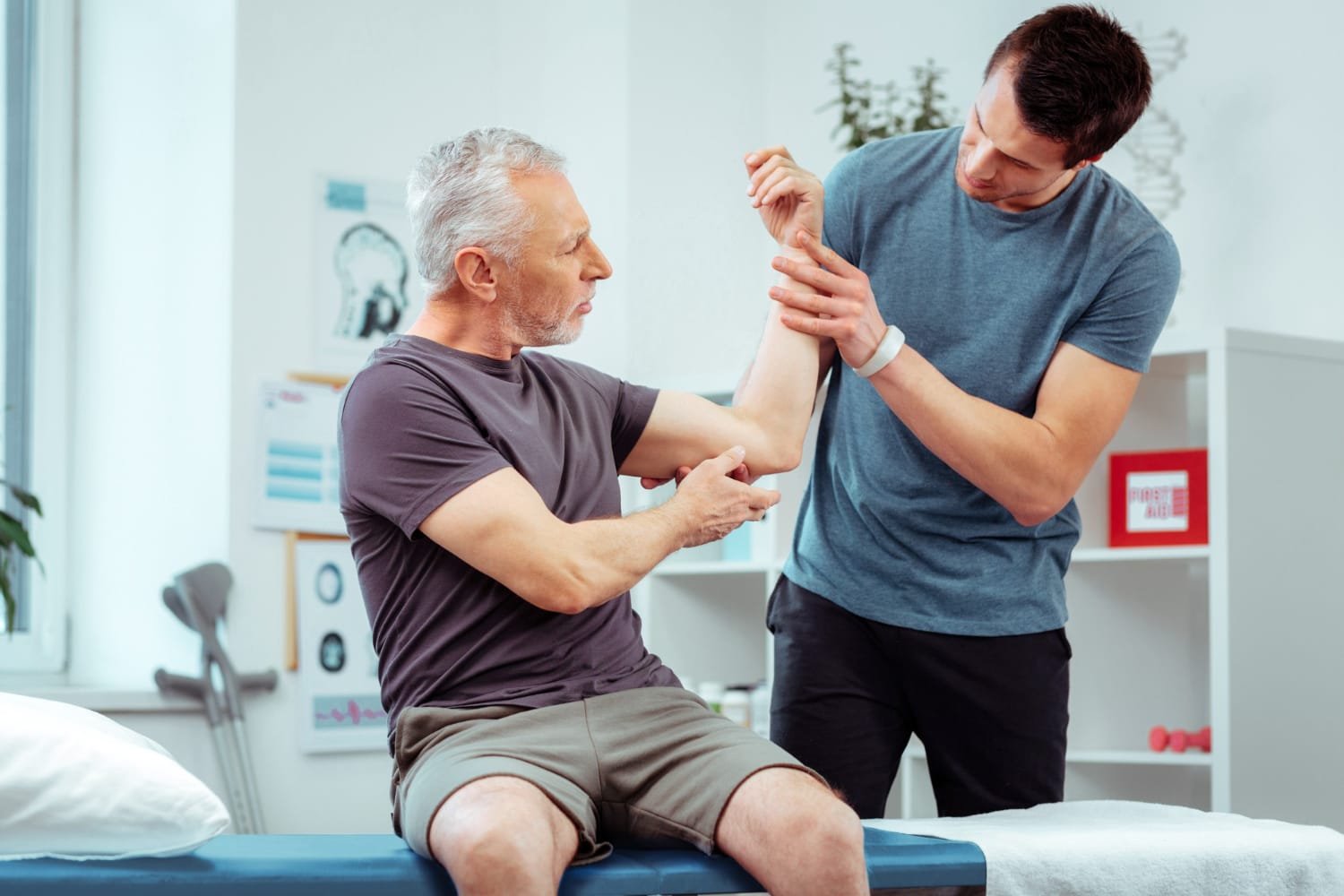
Where appropriate, physiotherapy can provide a comprehensive analysis of your movement patterns.
An assessment may consider:
For people with lymphoedema, exercise and movement can form part of symptom management. Some treatment programs may also include manual lymphatic drainage, compression, skin care, and education, depending on the person's situation.
Physiotherapy is not a universal answer to every swelling problem.
If the symptoms suggest another medical issue, referral to an appropriate healthcare professional may be necessary before or alongside physiotherapy care.
The aim is to identify what may be affecting movement and function rather than assuming every swollen area needs the same approach.
A few assumptions can make things confusing.
Sometimes swelling has a simple explanation. Persistent or unexplained swelling still deserves attention.
Normal hydration matters, but water alone cannot address every cause of swelling.
Complete inactivity is not automatically appropriate. Activity after surgery or injury should follow the advice given for your situation.
Search results can provide useful information, but they cannot replace an assessment.
Suddenly increasing exercise may not be appropriate, particularly after surgery, injury, or when symptoms are changing.
A previous injury may be relevant, but a new or changing symptom still deserves attention.
The safer approach is to look at the whole picture.
Daily life in Hamilton can involve plenty of situations where movement gets interrupted.
A person may work at a computer, commute across the city, spend a shift standing, drive for work, train at a gym, play recreational sports, walk regularly, or recover from surgery while gradually returning to normal activities.
None of these routines automatically causes lymphatic problems.
The practical issue is that movement patterns can vary significantly from one day to another. Someone who spends eight hours sitting may have a very different movement routine from someone working on their feet. Someone recovering from surgery may temporarily have much less activity than usual.
If swelling, heaviness, or movement changes continue, a physiotherapy assessment can help examine how the symptoms relate to mobility and daily function.
You do not need to completely redesign your routine.
Start with small, sensible changes:
These steps are not a cure for lymphatic conditions. They are simple ways to keep movement part of everyday life while paying attention to changes that may need assessment.
Lymphatic drainage refers to the movement of lymph fluid through the lymphatic system. The process involves lymph vessels, lymph nodes, muscle activity, and other body mechanisms. The term can also refer to manual lymphatic drainage, a hands-on technique used in some lymphoedema care.
Long periods without movement reduce muscle activity. Since muscle contractions can help move lymph fluid, regular movement breaks may be useful, particularly for people who already notice swelling or heaviness.
Movement and exercise can help muscles contract and assist lymph movement. The appropriate type and amount of activity depend on a person's health, symptoms, treatment history, and physical ability.
A healthcare professional should be consulted about persistent, unexplained, recurring, worsening, or unusual swelling. Swelling following surgery or injury may also require assessment, depending on the circumstances.
Physiotherapy may help assess movement, mobility, strength, function, and activity patterns. For some people with lymphoedema, exercise and other elements of lymphoedema care may form part of a broader treatment plan.
Referral requirements can vary depending on the clinic, healthcare situation, and insurance arrangement. To find out about the current process and any necessary referrals or documentation, contact our clinic directly.
Your daily routine may influence how much you move, how long you remain in one position, and how closely you notice changes in your body. Those factors can matter when considering lymphatic drainage, but they do not explain every case of swelling.
If swelling continues, repeatedly returns, appears without a clear reason, or changes after surgery or injury, an assessment can help determine what should happen next.
Have questions about swelling, movement, or lymphatic concerns? Call Greenhill Physiotherapy at +13653663688 or visit 625 Greenhill Ave Unit 3, Hamilton, ON L8K 5W9, Canada to discuss your symptoms and next steps.
The lymphatic system is a network of vessels, channels, and lymph nodes that helps move excess fluid from body tissues and plays an important role in immune function.
read more
Massage therapy is a hands-on service focused on easing muscle tension, improving circulation, and supporting comfortable movement. Many people seek massage therapy when stiffness, stress, or repetitive strain interferes with daily routines. This article explains how massage therapy works, who may benefit, and what to know before booking a session
read more