Massage therapy: what to expect and how it supports daily movement
5 Benefits of Lymphatic Drainage for Swelling and Detox
What Is Lymphatic Drainage?
Lymphatic drainage is a gentle, hands-on technique designed to encourage the natural movement of lymph fluid through the body. This fluid, which contains white blood cells, waste materials, and proteins, travels through a network of vessels and nodes. When the system becomes sluggish due to Surgery, injury, illness, or inactivity, fluid can accumulate, leading to discomfort, swelling, and fatigue.
At Greenhill Physiotherapy, we offer this technique to support circulation and address fluid buildup. Lymphatic drainage = is often included as part of comprehensive rehabilitation plans and recovery protocols.
Why It Matters
The lymphatic system plays a central role in immune health and tissue function. Unlike the circulatory system, which relies on the heart to pump blood, the lymphatic system depends on muscle movement, manual techniques, and deep breathing to stay active. When stagnation occurs, tissues may become swollen or tender, and the body’s ability to process waste products may slow.
By applying rhythmic, light pressure, this method helps guide the fluid toward functioning lymph nodes, where it can be filtered and eventually eliminated. For individuals recovering from Surgery, managing lymphedema, or experiencing chronic inflammation, this therapy provides targeted support to reduce swelling and restore comfort.
Below are five key benefits of seeking lymphatic drainage, particularly when integrated into a broader treatment approach at our clinic.
1. Reduces Swelling (Edema) After Injury or Surgery
Swelling is one of the most common issues people face after Surgery, trauma, or immobility. This buildup of fluid, often referred to as edema, can restrict movement, cause tightness, and prolong recovery. Lymphatic drainage supports tissue health by encouraging proper fluid distribution.
In post-operative cases, especially after cosmetic or orthopedic procedures, individuals often find Relief as drainage helps move trapped lymphatic fluid away from the affected area. Our clinic typically incorporates this technique alongside movement-based rehabilitation, allowing for more efficient healing timelines.
2. Supports Detoxification and Tissue Repair
Although often misunderstood, detoxification is a real physiological process that removes waste and cellular debris. The lymphatic system is one of the main pathways for eliminating these substances from tissues. When this system slows, the body may struggle to clear metabolic waste, particularly during stress or reduced Mobility.
Lymphatic drainage plays a supportive role by encouraging the flow of fluid toward lymph nodes and filtration centers. As this gentle stimulation activates the system, tissues receive better circulation, oxygen, and nutrition — all of which are important for repair and renewal.
At our clinic, this benefit is particularly useful for clients recovering from infections or long-term inflammation, where normal detox pathways need added support.
3. Enhances Recovery for Individuals with Lymphedema
Lymphedema is a condition characterized by persistent swelling, usually in the limbs, due to a blockage or impairment in the lymphatic system. It often occurs after cancer treatment involving lymph node removal or radiation. In these cases, swelling is not just uncomfortable but also may increase the risk of infection.
Manual lymphatic drainage is a key part of lymphedema management. The approach used at our clinic follows specific protocols to move fluid around blocked or compromised areas and toward functioning lymphatic pathways. Over time, this process can help maintain comfort and reduce the severity of flare-ups.
Lymphatic drainage is often combined with compression, skin care, and movement-based therapy as part of a broader strategy to manage chronic swelling.
4. Promotes Relaxation and Reduces Fatigue
While often overlooked, one of the most noticeable effects of this technique is a deep sense of calm and restoration. The slow, rhythmic movements of lymphatic drainage activate the parasympathetic nervous system - the part of the body responsible for relaxation and healing.
Many clients at our clinic report improved sleep, reduced fatigue, and an overall sense of wellness following sessions. For those dealing with chronic conditions or recovering from illness, this can be a key part of regaining energy and feeling more balanced.
The method’s ability to reduce tissue fluid pressure also leads to noticeable lightness, especially in the arms, legs, or face. This immediate physical shift contributes to the sense of wellbeing many people experience.
5. Improves Immune System Function
The lymphatic system is closely linked to immune health, as lymph fluid transports immune cells and helps detect harmful substances in the body. When the system becomes congested, the immune response may weaken, making it harder to recover from illness or avoid frequent infections.
By promoting better lymphatic circulation, this therapy allows the immune system to operate more efficiently. Our clinic often uses lymphatic drainage as part of immune support for clients managing autoimmune issues, chronic fatigue, or recovery from viruses.
For residents seeking lymphatic drainage, this benefit can play a valuable role in long-term health strategies, especially when paired with appropriate lifestyle and nutritional guidance.
How the Technique Works at Our Clinic
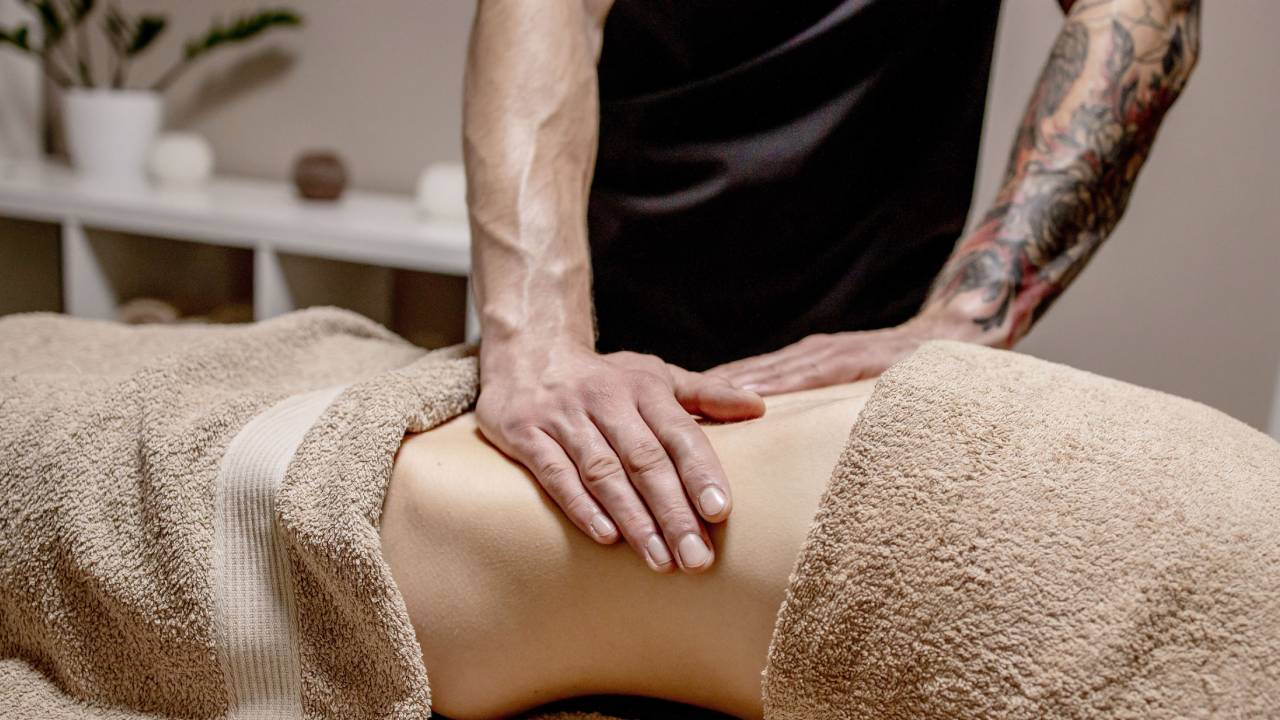
Lymphatic drainage is typically provided as a stand-alone service or as part of a multi-faceted treatment plan. Each session begins with an assessment to determine the area of concern and ensure the technique is suitable. Clients remain clothed or partially draped while a trained therapist uses gentle, circular motions to direct fluid through the lymphatic pathways.
The process is non-invasive and does not involve oils or deep tissue work. Instead, it focuses on surface-level rhythm and directionality to support lymphatic flow. Depending on the condition being treated, multiple sessions may be recommended.
At our clinic, this method is carefully integrated with other physiotherapy treatments, such as exercise prescription, Mobility work, and education, to provide comprehensive recovery support.
When to Consider Lymphatic Drainage
Individuals may benefit from this therapy if they experience:
- Post-surgical swelling
- Lymphedema
- Chronic fatigue
- Immune system concerns
- Inflammation or fluid retention
- Poor circulation
Before starting any new treatment, a consultation with one of our team members can help determine if this approach aligns with your health goals. For many clients, incorporating lymphatic drainage into their recovery plan enhances other therapies and promotes greater comfort throughout the process.
Moving Forward
Lymphatic drainage is more than a manual technique — it’s a targeted intervention that supports fluid balance, immune function, and recovery. Whether addressing post-operative swelling, managing lymphedema, or simply supporting wellness, this method plays a meaningful role in rehabilitation plans.
Our clinic provides this service in a calm and professional environment, tailoring each session to the individual’s condition and goals. If you’re considering options to help with swelling, fatigue, or immune support, lymphatic drainage may offer a valuable addition to your care plan.


Latest blogs
Insights and Inspiration for Your Wellness Journey

Massage therapy: what to expect and how it supports daily movement
Massage therapy is a hands-on service focused on easing muscle tension, improving circulation, and supporting comfortable movement. Many people seek massage therapy when stiffness, stress, or repetitive strain interferes with daily routines. This article explains how massage therapy works, who may benefit, and what to know before booking a session
read more